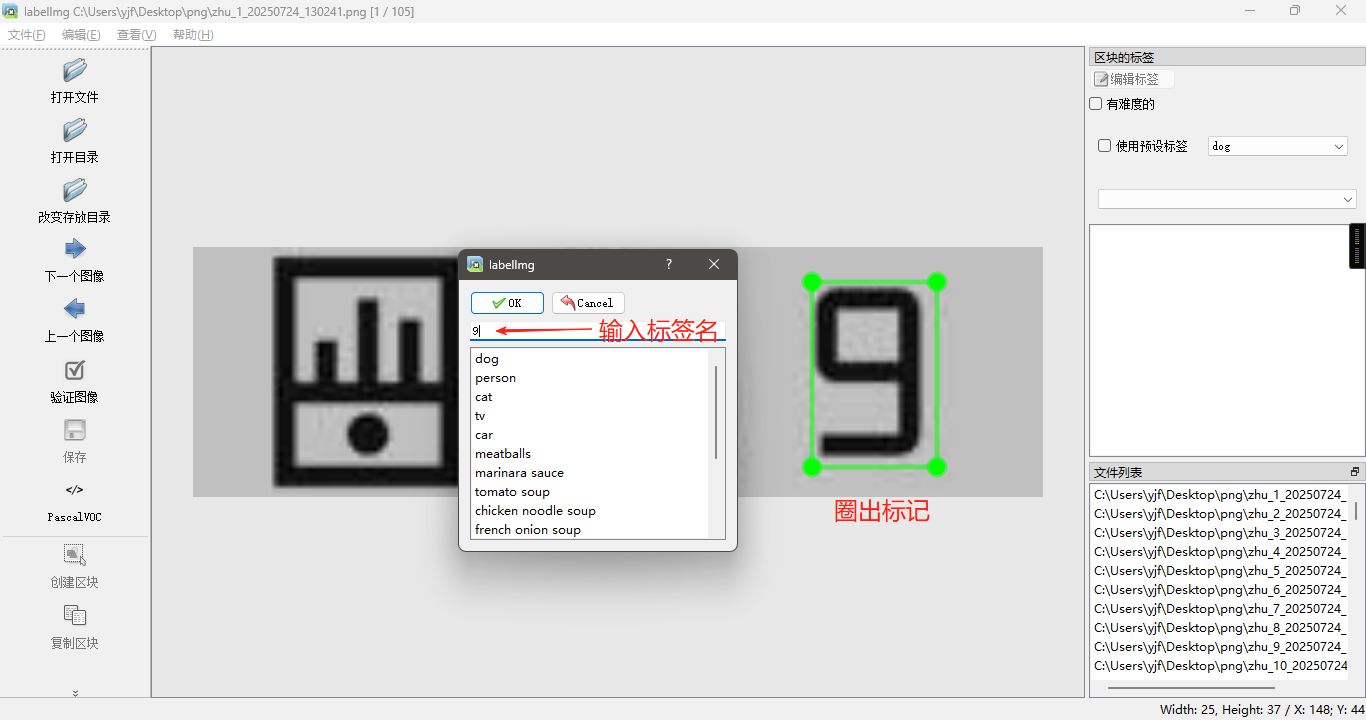
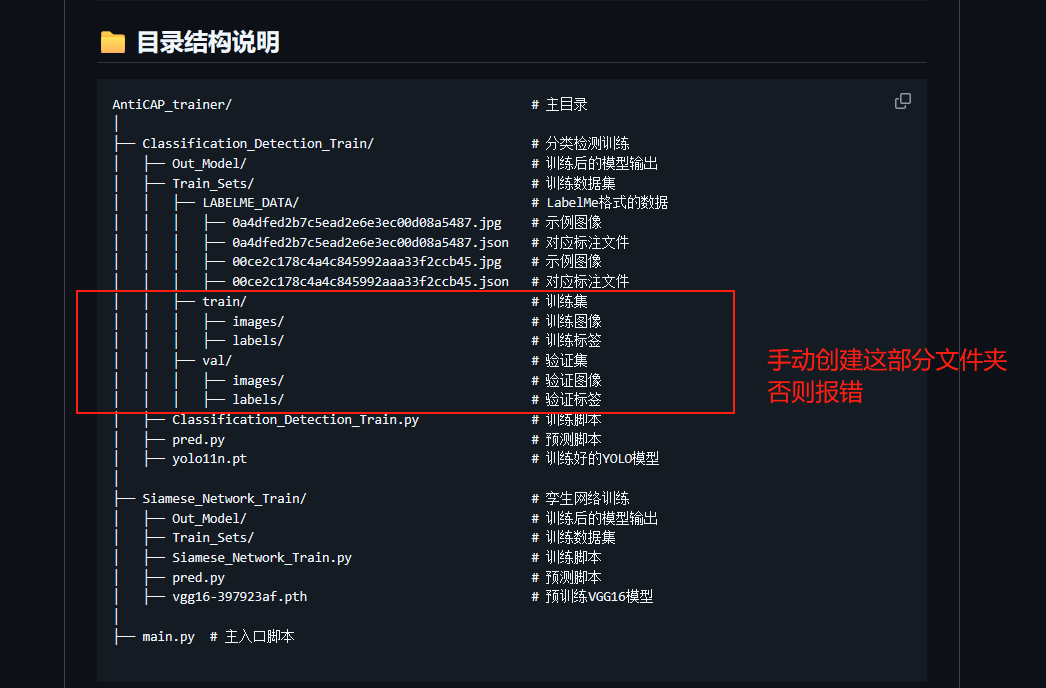
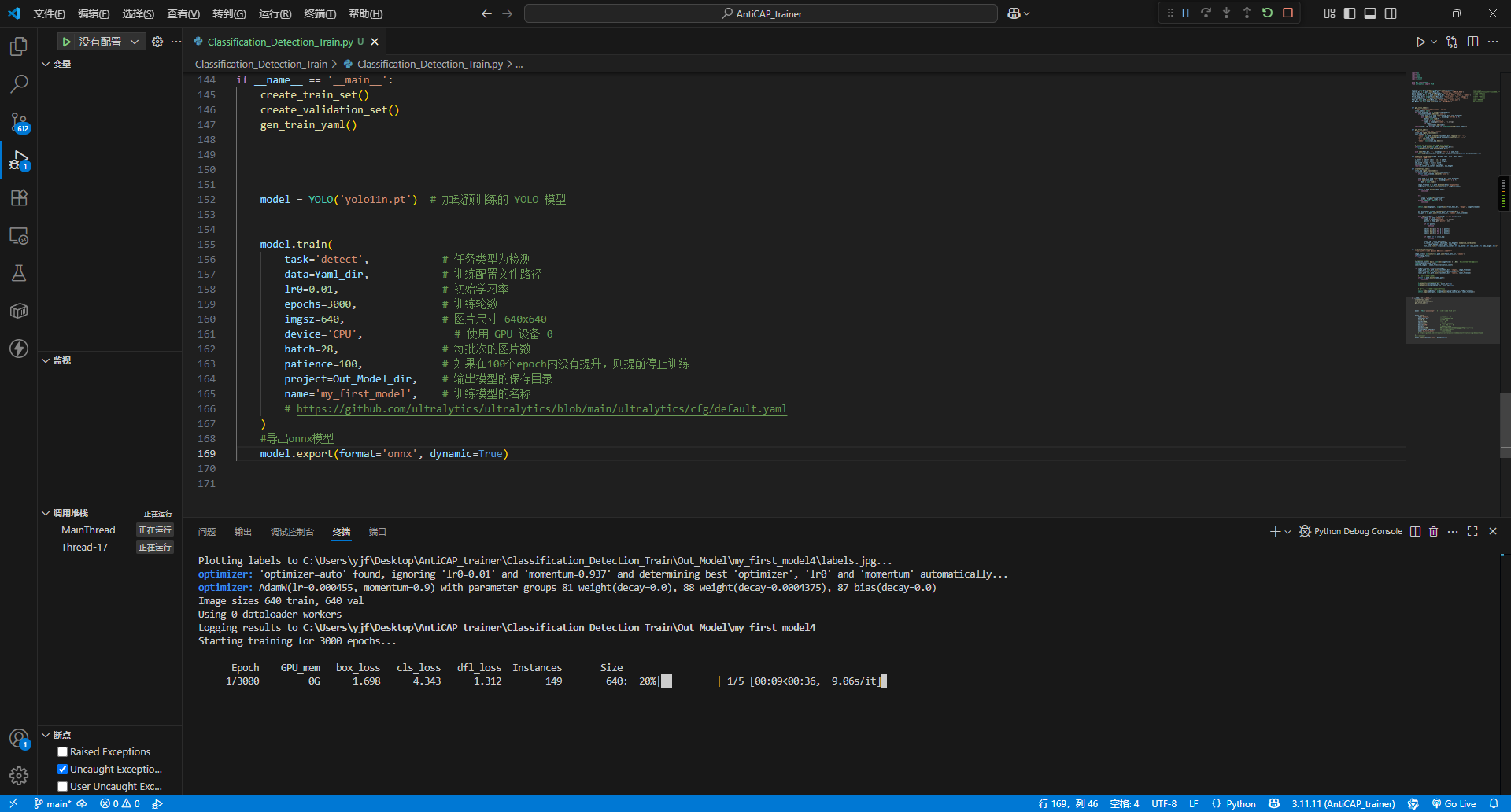
1
 2
 3
 4
 5
 6
 7
 8
 9
10
11
12
13
14
15
16
17
18
19
20
21
22
23
24
25
26
27
28
29
30
31
32
33
34
35
36
37
38
39
40
41
42
43
44
45
46
47
48
49
50
51
52
53
54
55
56
57
58
59
60
61
62
63
64
65
66
67
68
69
70
|
import os
import json

def convert_json_format(input_file, output_file):
    """将自定义格式的JSON转换为LabelMe格式"""
    with open(input_file, 'r', encoding='utf-8') as f:
        data = json.load(f)

    # 检查数据格式
    if isinstance(data, list) and len(data) > 0:
        original_data = data[0]
    else:
        original_data = data

    # 构建新的LabelMe格式数据
    new_data = {
        "imagePath": original_data.get("image", ""),
        "verified": original_data.get("verified", False),
        "shapes": []
    }

    # 转换annotations为shapes
    for annotation in original_data.get("annotations", []):
        label = annotation.get("label", "")
        coordinates = annotation.get("coordinates", {})

        if coordinates:
            x = coordinates.get("x", 0)
            y = coordinates.get("y", 0)
            width = coordinates.get("width", 0)
            height = coordinates.get("height", 0)

            # 计算边界框的两个对角点
            x_min = x - width / 2
            y_min = y - height / 2
            x_max = x + width / 2
            y_max = y + height / 2

            shape = {
                "label": label,
                "points": [
                    [x_min, y_min],
                    [x_max, y_max]
                ]
            }
            new_data["shapes"].append(shape)

    # 保存转换后的数据
    with open(output_file, 'w', encoding='utf-8') as f:
        json.dump(new_data, f, ensure_ascii=False, indent=2)

# 批量转换目录中的所有JSON文件
def batch_convert(input_dir, output_dir):
    if not os.path.exists(output_dir):
        os.makedirs(output_dir)

    for filename in os.listdir(input_dir):
        if filename.endswith('.json'):
            input_path = os.path.join(input_dir, filename)
            output_path = os.path.join(output_dir, filename)
            convert_json_format(input_path, output_path)
            print(f"已转换: {filename}")

# 使用示例
if __name__ == "__main__":
    input_directory = r"./"  # 输入目录,包含自定义格式的JSON文件
    output_directory = r"./out"  # 输出目录,保存转换后的LabelMe格式JSON文件

    batch_convert(input_directory, output_directory)
    print("所有文件转换完成!")
|
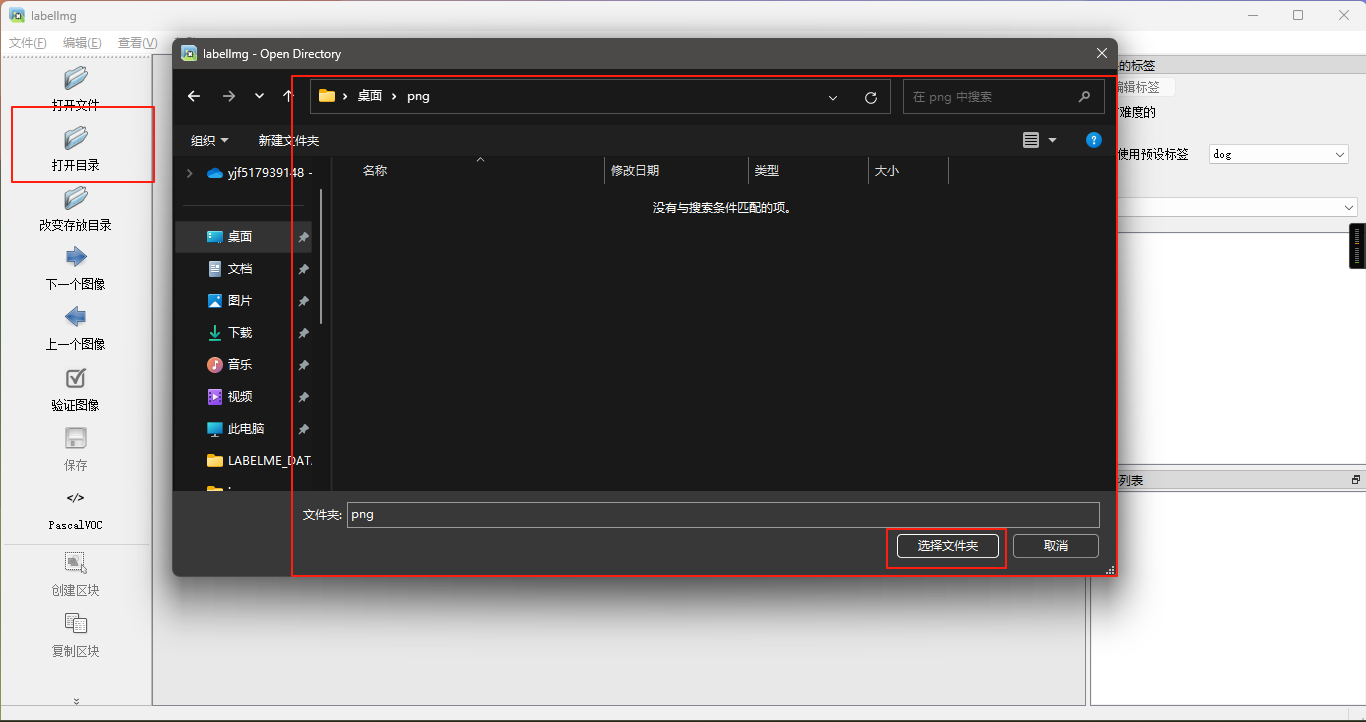
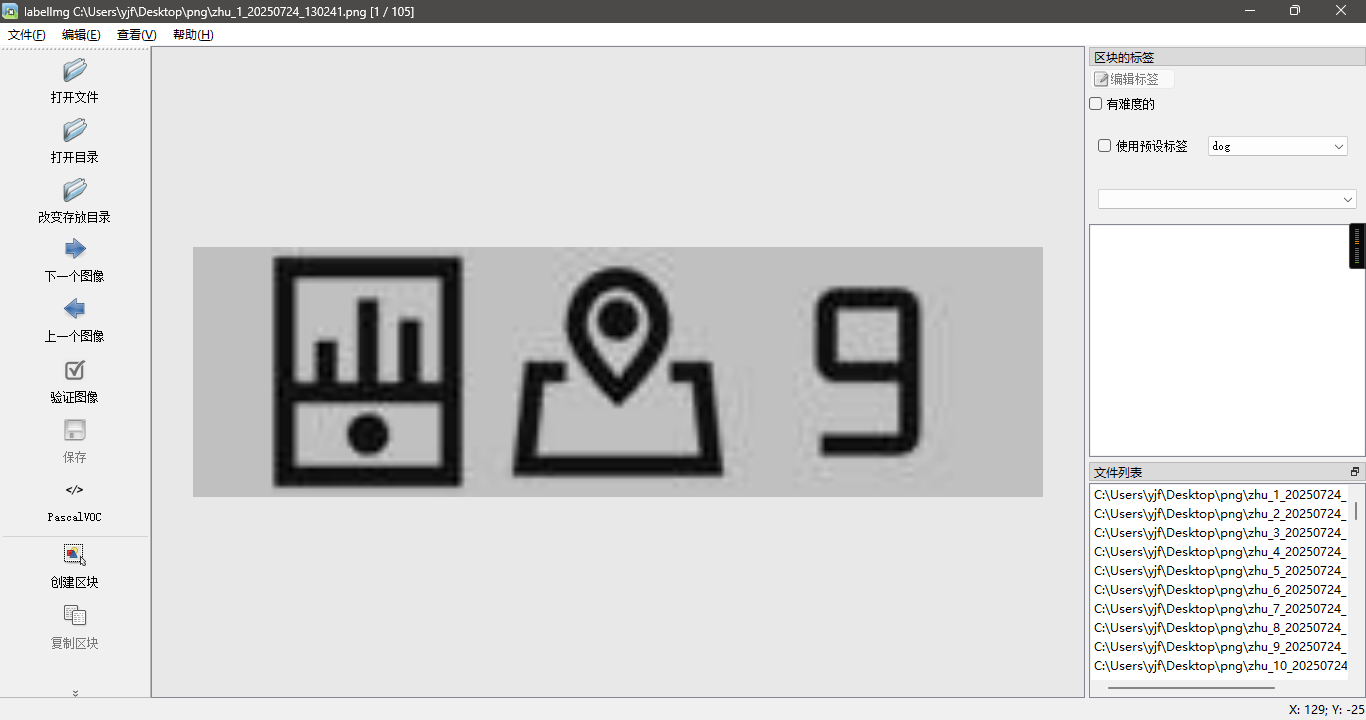 更改存储方式为json文件